

The
mentorship component of the Sustainability Workforce Transformation Programme
(SWTP) provides personalized, one-to-one coaching sessions with an
international panel of ESG professionals. This segment of the program is
designed to offer participants tailored guidance and insights, helping them
apply ESG principles effectively within their organizations. By fostering
professional relationships with experienced mentors, participants gain the
knowledge, tools, and strategies needed to drive their organizations toward
greater success in sustainability transformation.

The
mentorship component of the Sustainability Workforce Transformation Programme
(SWTP) provides personalized, one-to-one coaching sessions with an
international panel of ESG professionals. This segment of the program is
designed to offer participants tailored guidance and insights, helping them
apply ESG principles effectively within their organizations. By fostering
professional relationships with experienced mentors, participants gain the
knowledge, tools, and strategies needed to drive their organizations toward
greater success in sustainability transformation.
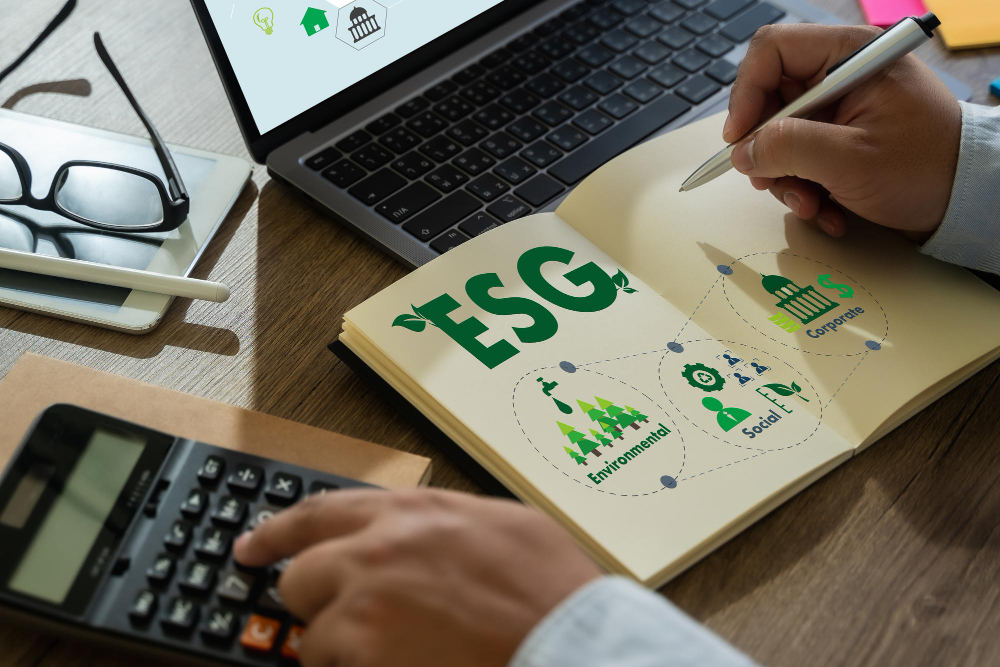
Welcome to "Fundamentals of ESG: Principles and Applications". This introductory course is designed to provide a comprehensive understanding of Environmental, Social, and Governance (ESG) principles and their practical applications across various industries. As ESG becomes increasingly critical in shaping the future of business and investment, this course aims to equip you with the foundational knowledge and skills necessary to navigate the complexities of ESG implementation and strategy.


As corporate scandals continue to make headlines, you will expand your strategic thinking beyond your organisation’s competitive financial environment to consider its broader impact on society. You will grapple with the conflicting outcomes of maximising financial return and societal impact as you develop the skills to create a balance that is sustainable.

Designed by renowned Wharton professors Katherine Klein and Chris Geczy to help individuals, organizations, and investors bring about societal change, this course introduces the fundamentals of impact investing, and developing a business strategy that drives social impact.

This course explores the emerging relationships between sustainability issues and competitive advantage. Building on the basic concepts of strategic management, this course will explore how managers may effectively deal with the sustainability challenges that they now encounter.

Business and environmental sustainability can be a bedfellows. This course will provide a detail explanation and step-by-step on how making money while keeping the environment.

In this short course, you will hear from some of the experts responsible for creating the Sustainable Development Report about the value of measuring progress on the SDGs, how a tool like the SDG Index helps policymakers or stakeholders make important decisions about their development priorities.
This online program provides a practical guide to driving sustainability within your organization and sphere of influence. Drawing on the expertise of Program Convener Dr Todd Cort and a range of global thought leaders, you’ll uncover the possibilities for sustainable practice in your business and what it means for your bottom line.
Become a purpose-driven leader by learning how to influence key stakeholders and integrate values into your work to catalyze system-level change.
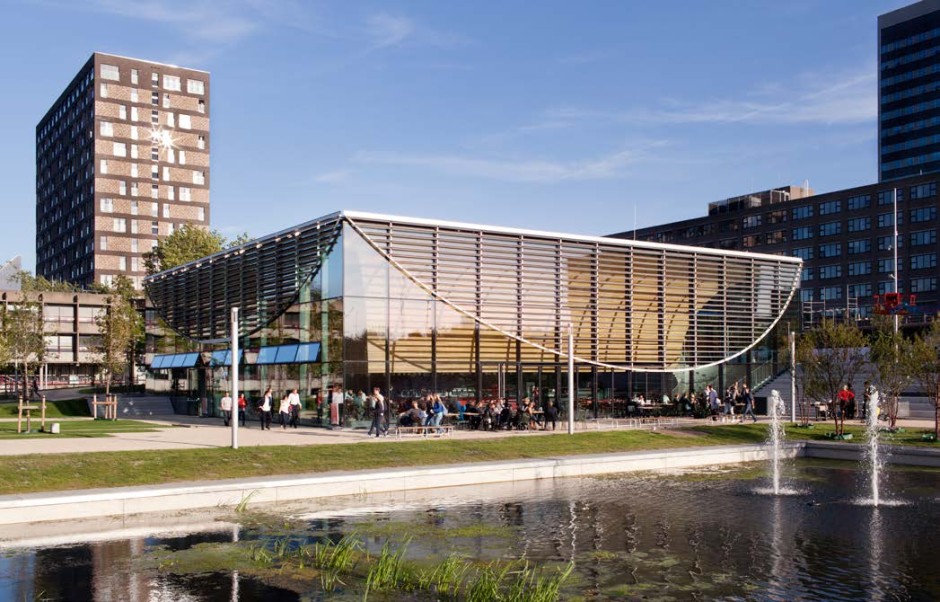
This course has been developed by Rotterdam School of Management at Erasmus University (RSM). It focuses on the role of businesses in achieving the SDGs. You will gain insights from leaders of international companies and academics in business who will guide you on how businesses can contribute to the SDGs.

Globally, more than 200 million people are still unemployed, but there has been progress in standards of labour and work. Through this course, learn from experts from the ILO, Harvard University, and more about the state of work in our world, and what it will take to ensure steady, inclusive and sustainable economic development for all.

The overexploitation of natural resources has had a negative impact on the environment while also causing scarcity. This course will facilitates the idea of a circular economy that offers new ways to create a more sustainable economic growth model.

Managers are increasingly confronted with issues of sustainability, responsibility and ethics. Managing responsibly is an integrative approach to sustainability, responsibility and ethics, which allows you as a manager to deal competently with such challenges.

This course explores the fundamentals of sustainable finance, climate risk assessment, and the integration of environmental, social, and governance (ESG) factors into investment strategies.

Companies play a crucial role in achieving Goal 8 on decent work and economic growth. By sourcing products from responsible suppliers, businesses can leverage their purchasing power to create positive impacts for workers in the global supply chain.

